
The Sentence My Friend Miku Has Lived By Since She Was 19
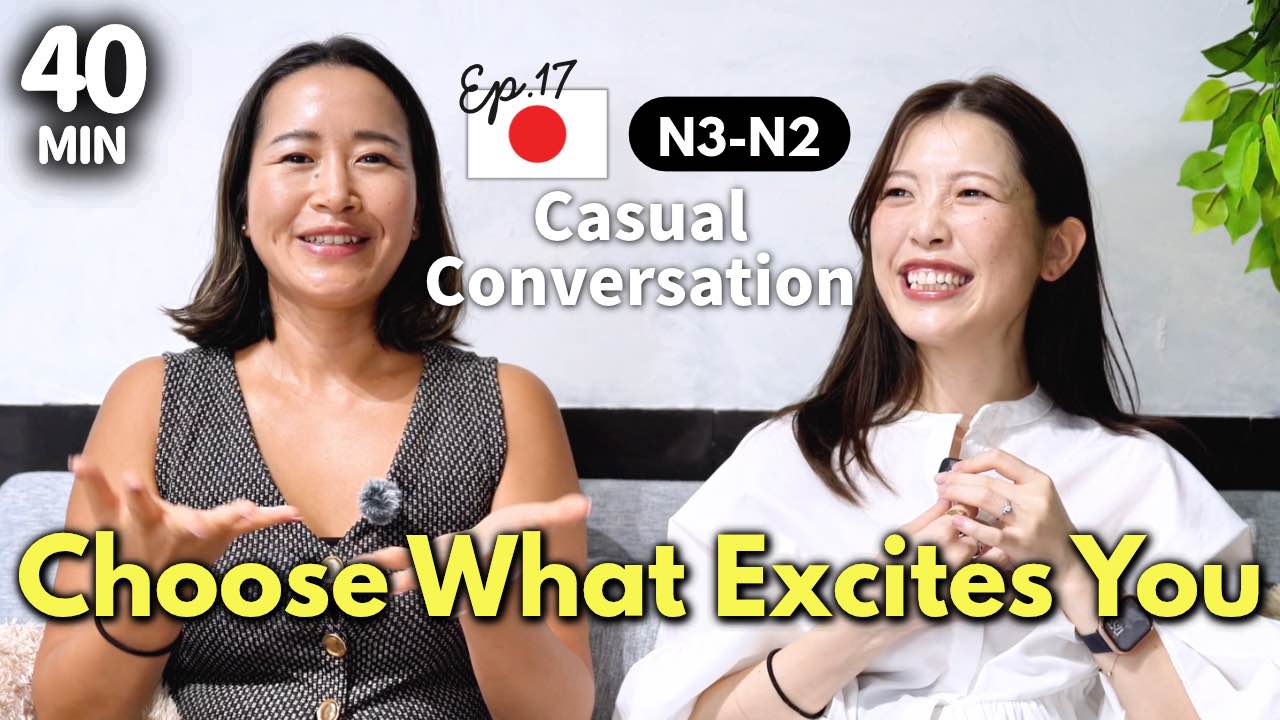
What do you do when the excitement is there but the plan isn’t? My friend Miku, of Miku Real Japanese, sat down with me for this episode, and what started as a casual catch-up turned into her telling me her entire career history: a video she still can’t rewatch, homework she never meant to sell, a burnout she didn’t admit to for a while, and the one sentence she’s followed since she was 19. Here’s her story, and what I took from it.
You can also watch the episode here: YouTube
The video started because her boyfriend said, “why not?”
Miku was teaching Japanese at a school in Mexico when her boyfriend at the time, watching how much she was learning on the job, told her she should just put it online. She had no editing skills, an Android phone with terrible image quality, and a notebook and pen. So she made a video anyway.
「はーい、I’m Miku」「I’m Japanese and I’m gonna teach Japanese」
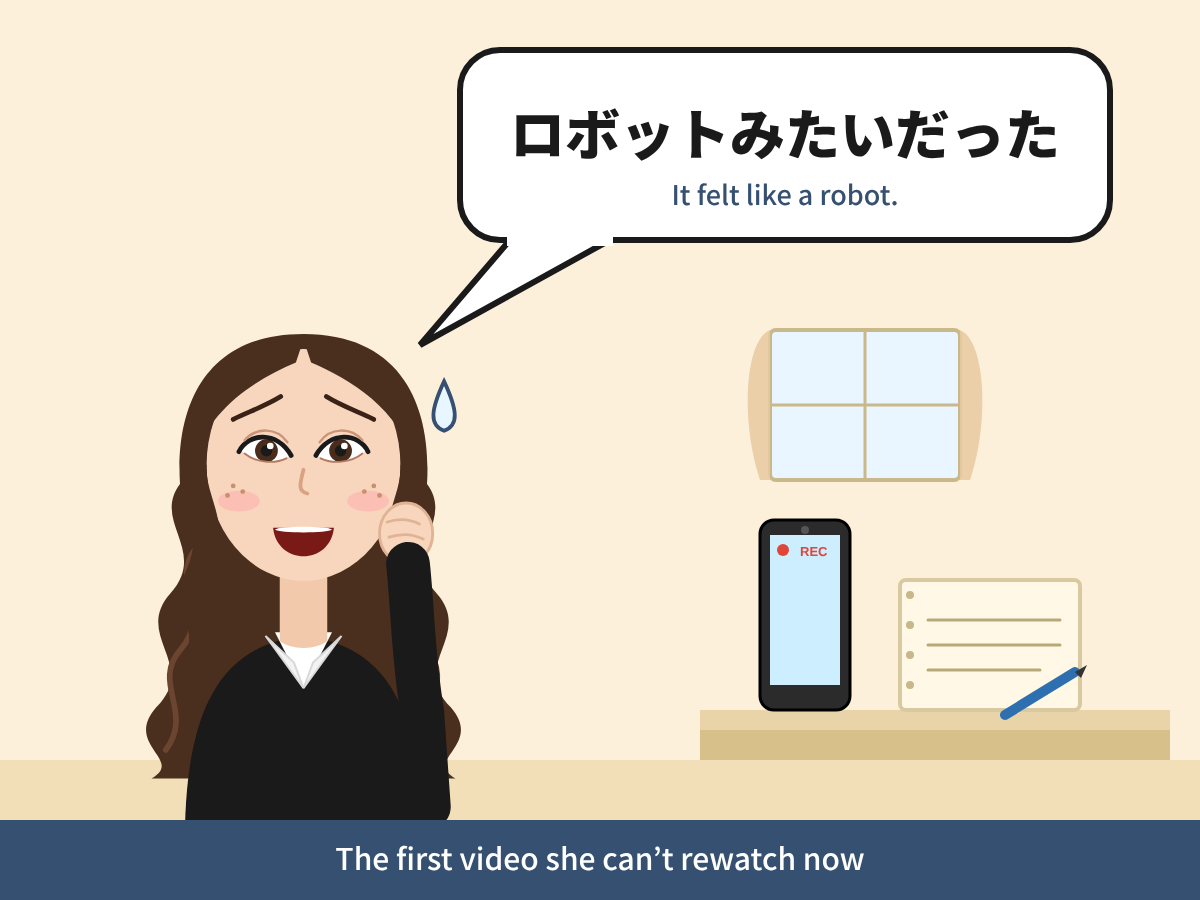
She told me she can’t even rewatch it now. “It was like a robot,” she said. But the part of her that wanted to teach was stronger than the part that felt awkward on camera, so she kept going.
A one-minute video that somehow took an hour
Back then, Miku didn’t even have the concept of editing in her head. If she messed up a line, there was no cutting it out; she just had to start the whole take over from zero 😩.
失敗したらゼロからスタートっていうのを1分の動画なのに1時間ぐらいかかったことも結構あったね
"If I messed up, I’d have to restart from zero, so there were plenty of times a one minute video ended up taking around an hour."
Years later, when she finally moved from Instagram to YouTube because she wanted to teach grammar and expressions that didn’t fit in a 60-second caption, she picked up Adobe Premiere Pro, the software actual professionals use, with zero experience. Footage disappeared mid-edit. She got irritated constantly. She studied it anyway.
The homework she never meant to sell
This is the part of her story I love the most. Miku kept noticing the same problem in every student, regardless of level or nationality: they knew the grammar, they knew the vocabulary, and they still couldn’t speak.
私もわかるし、知識はあるのに、話すことができない、文が作れない
“I understand it, I have the knowledge, but I can’t speak, I can’t make sentences.”
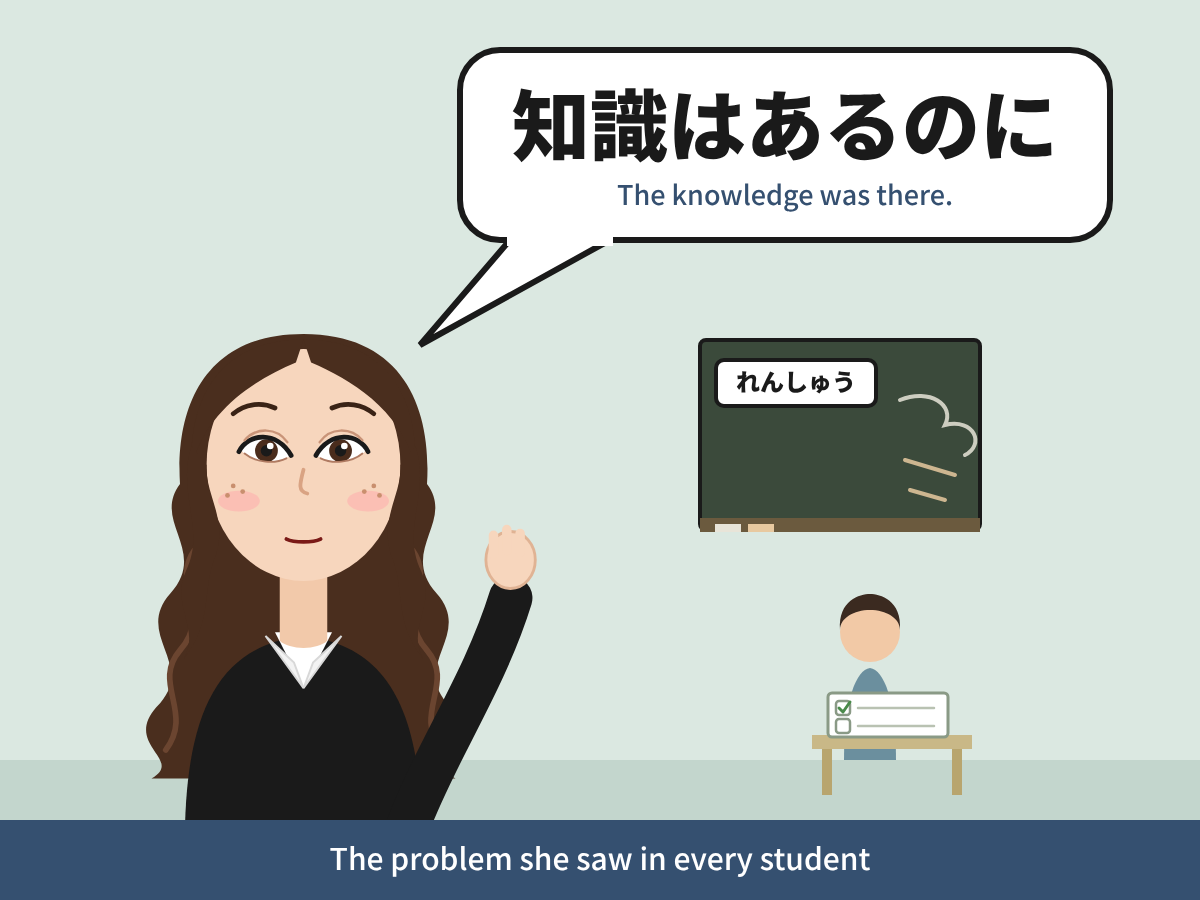
So she made a shadowing exercise in Spanish and English, the same method she’d used on herself, and handed it out as homework, not a product. Students kept telling her she should sell it. Eventually she did, and that homework became the real foundation of her business, years before she’d ever planned a business at all.
2019 felt like freedom. Then 2020 happened.
By 2019, Miku finally had some breathing room: fewer lessons, more support from Patreon, and actual free time. She had trips planned, including a full month in Italy. Then the pandemic shut everything down.
やる気がドーンって一回なくなって、もういろんなことをやりすぎたのかな
My motivation just completely dropped out all at once. I think I’d just taken on too many things.
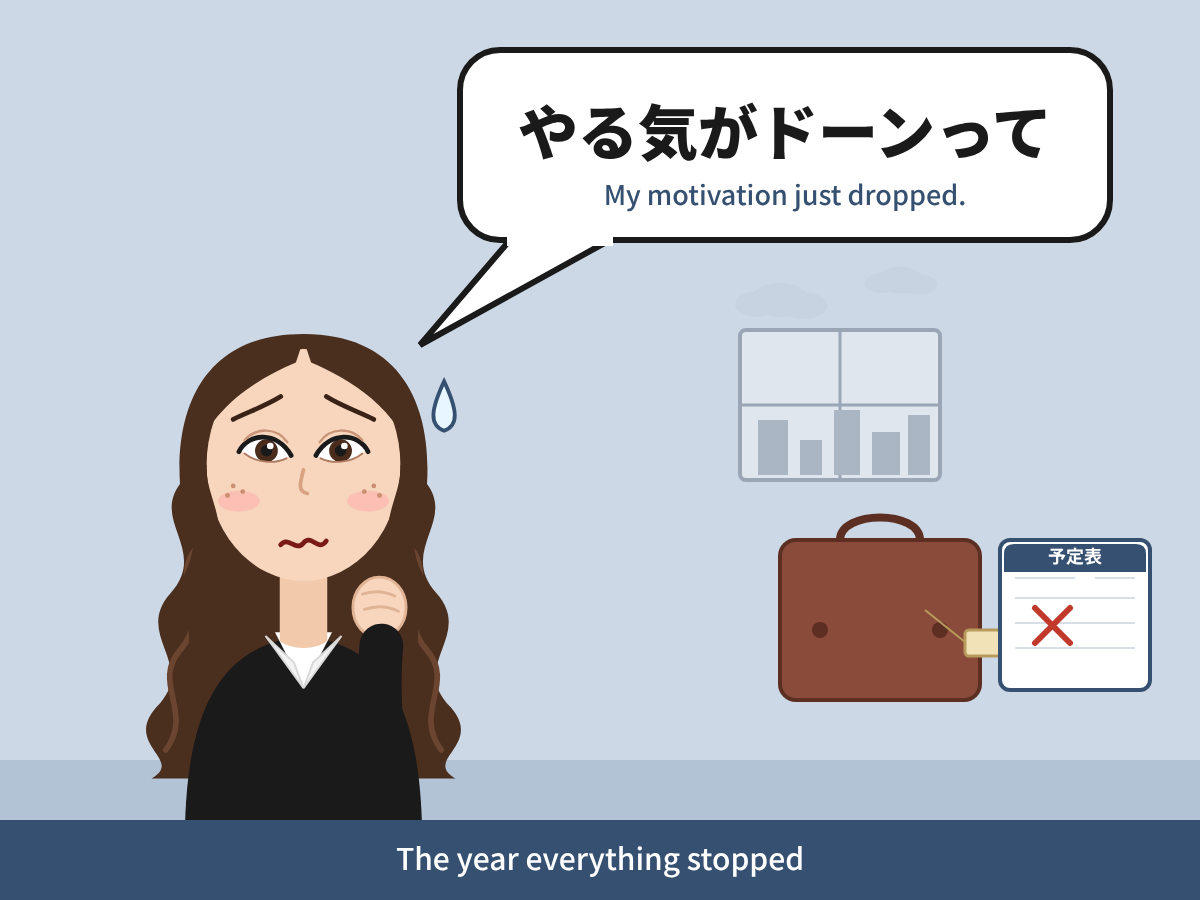
She told me it genuinely took her a while to admit she’d burned out. What brought her back wasn’t working harder; it was deciding to protect her own time: traveling again, taking courses in psychology and neuroscience just because she’s curious about them, and rebuilding a life split between Japan and Europe on her own terms.
The handshake that gave away how hard she’d been training
Not every story in this episode is heavy. When we met up to record this, Miku greeted me and, mid “long time no see,” flexed her bicep at me in front of a crowd of people haha 😆.
「あ、硬い。ジム行ってるの?」「週3で行ってんねん」
“Oh wow, that’s hard. Do you go to the gym?” “I go three times a week.”
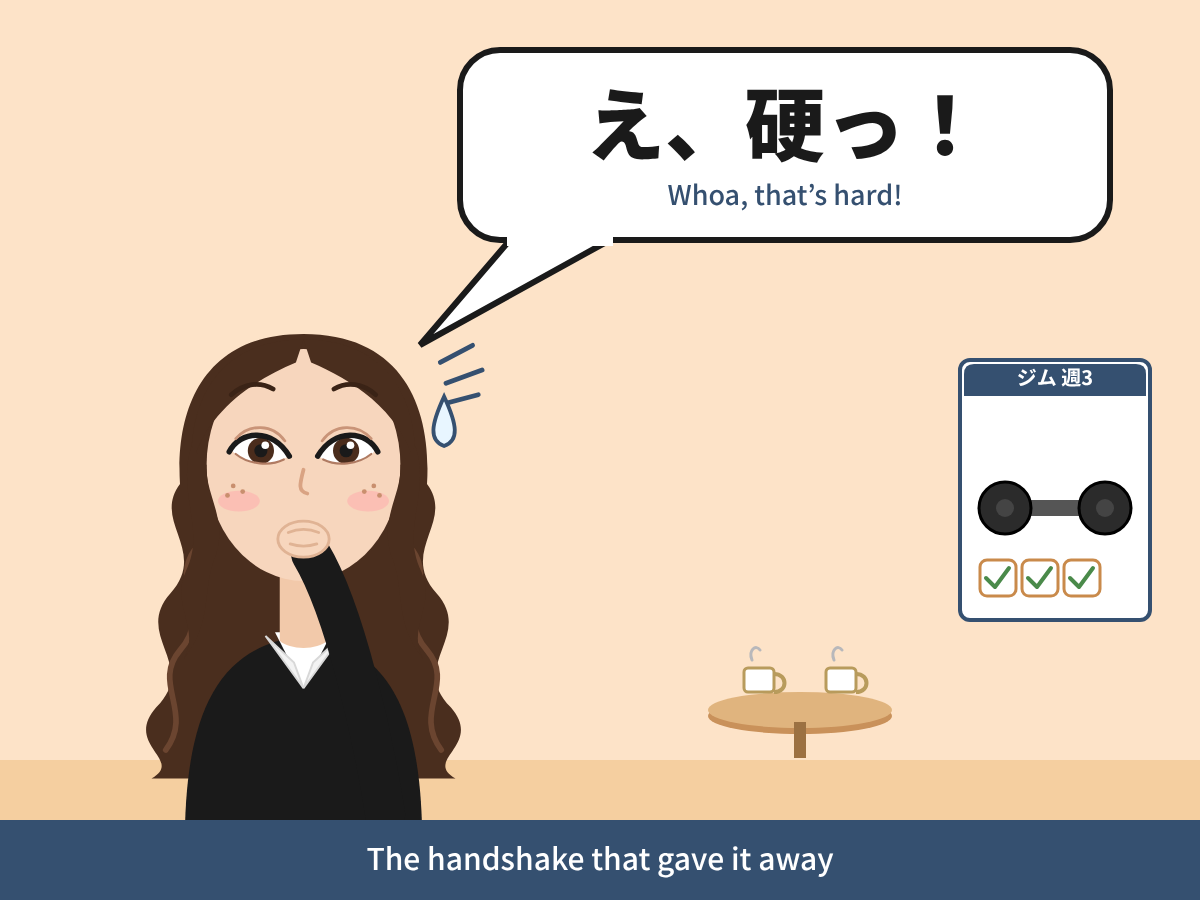
Later, while she was talking with her hands the way she always does, I noticed calluses on her palm, real, worn through ones. Three months of muscle training, visible proof on her hands. She wasn’t exaggerating.
What I took from her story: Listening back to everything Miku told me, from the video she can’t rewatch to the burnout she didn’t admit to for a while, I kept landing on the same sentence she’s followed since she was 19: ワクワクした方を選ぼう, choose the option that excites you. Not the safest option. Not the most planned-out one. The one that makes you want to say yes. I don’t think she always knew where that would lead. I think that’s the point: she let the excitement come first and let the business, the audience, and the plan catch up after. I wonder if this resonates with you as well?
Key Words from This Episode
きっかけ: chance, trigger, opportunity
編集 (へんしゅう): editing
知識 (ちしき): knowledge
届く (とどく): to reach, to be delivered
繋がる (つながる): to connect, to be connected
恵まれる (めぐまれる): to be blessed with
叶える (かなえる): to fulfill, to make come true
燃え尽きる (もえつきる): to burn out
拠点 (きょてん): base, hub
本気で (ほんきで): seriously, in earnest
こだわり: particularity, commitment to detail
還元する (かんげんする): to give back, to return (a benefit)
Grammar Spotlight
〜のに: even though X
知識はあるのに、話すことができない
Even though I have the knowledge, I can’t speak.
A contrastive connector with a built in edge of frustration. It’s exactly the gap Miku kept running into with her students: the knowledge was there, the ability to use it wasn’t.
〜ことがある: there are also times when X
1分の動画なのに1時間ぐらいかかったことも結構あったね
There were actually plenty of times a one minute video ended up taking around an hour.
Use this for something that happens occasionally, not as a rule. It softens a statement into “this is one of the things that happens sometimes,” rather than “this always happens.”
〜おかげで: thanks to X
そのPatreonでみんながサポートしてくれたおかげで、それができたかな
Thanks to everyone supporting me through Patreon, I think that’s what made it possible.
Always points to a positive outcome and the reason behind it. If the outcome were bad, せいで would be the word instead.
Marks the specific capacity something applies to. Useful whenever you want to separate someone’s professional identity from their life as a whole, which is exactly the distinction being drawn here.
Cultural Insight
Near the end of the episode, Miku talked about wanting to interview local ramen shop owners and craftsmen, because 日本人って自分のやってることをアピールしたりとか、自分から宣伝するの、苦手, “Japanese people tend to be bad at showing off what they do, or promoting themselves.” This isn’t a throwaway comment; it’s a real, widely recognized pattern. I can see this in daily life myself, too. Self-promotion can read as boastful in a culture that generally values humility and letting your work speak for itself, so plenty of genuinely skilled people never build an online presence at all.
That’s part of why ご縁, the idea of a fated connection or bond between people, came up so naturally in our conversation. We talked about ご縁に恵まれる, “being blessed with connections,” almost like a value in itself, separate from whether those connections are useful. Meeting the right person at the right time is treated as something worth being grateful for, not just networking.
So when you meet someone in Japan who’s clearly excellent at what they do but has no social media following to show for it, that’s not necessarily a lack of ambition. It might just be someone waiting for the right ご縁 to come along and tell their story for them😉.
Mini Quiz
Your turn
Think of a decision in your own life where you picked the safe option over the exciting one, or the other way around. Try writing about it in Japanese, using this pattern:
安全な方じゃなくて、ワクワクする方を選びました。
Instead of the safe option, I chose the one that excited me.
Practice This Episode
Shadow this episode in the NihongoDekita Podcast app to practice every line, with furigana, translations, and all the vocabulary and grammar from this post.
Got a story about choosing excitement over the safe option? I’d love to hear it. Email me at [email protected].
Ready to learn more?
If you’re ready to go further than one episode at a time, check out our Japanese courses.


