
What “Omakase” Really Means
What “Omakase” Really Means (and a Softer Phrase to Use)
You’ve probably heard おまかせ from high-end sushi restaurants. But it isn’t just a food word. Japanese people use it at hair salons, in shops, and at work.
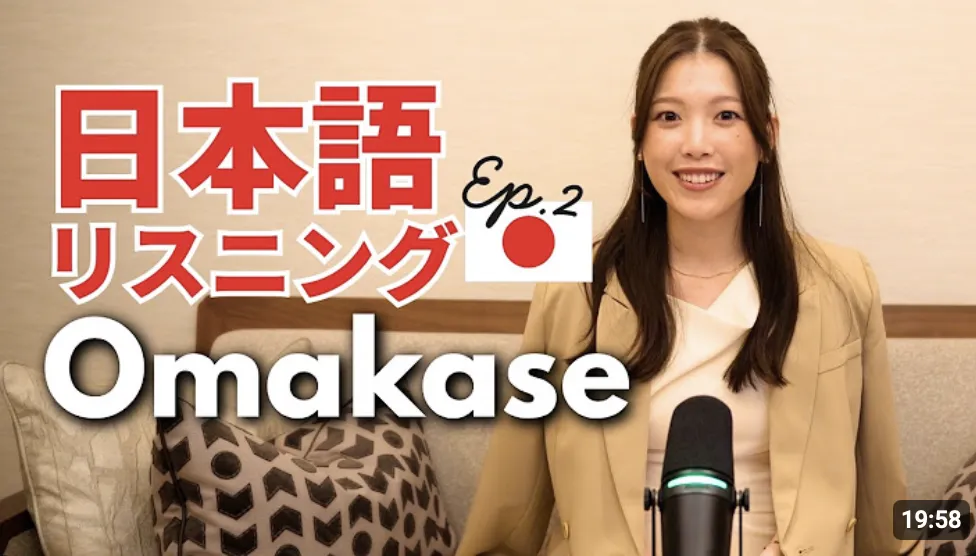
In Episode 2 of the NihongoDekita Podcast, I needed a dressy outfit for a job at the Nara Hotel, a long-established hotel in Nara. I am not really into fashion, so choosing clothes alone usually takes me forever 💀. So I let the professionals choose. Result: a dress, jacket, and shoes in under 20 minutes. Yay!!
Here’s what I learned about おまかせ, and the phrase I actually prefer to use.
You can also watch the episode here: Omakase
What “Omakase” Really Means
2: Why おまかせ Can Feel Like Pressure
3. The Phrase Sayaka Prefers: 相談してもいいですか?
1. What おまかせ Actually Means
おまかせ (お任せ) comes from the verb 任せる (まかせる), “to leave something to someone.”
So おまかせ means: “I trust you, so please decide for me.”
At an omakase sushi restaurant, the chef will ask if there’s anything you don’t eat, then build the menu for you.
おまかせでお願いします。 I’ll leave it to you, please.
今日はおまかせで。 I’ll leave it up to you today. (at a hair salon)
プロに任せた方が速い。 It’s faster to leave it to a pro.
2. Why おまかせ Can Feel Like Pressure
おまかせ puts the whole decision on the other person. With someone you know well, that’s fine. You can say with a smile:
あなたはプロだから、おまかせで。 You’re the pro, so I’ll leave it to you.
But with someone you’ve just met, suddenly saying おまかせで can make them nervous. Now everything depends on them getting it right.
3. The Phrase I Prefer to use: そうだんしてもいいですか?
Instead, I asked like this:
すみません、ちょっとそうだんしてもいいですか?
Excuse me, could I ask for your advice?
The difference is small but important:
おまかせ: “Here, you decide.”
相談してもいいですか: “Please think about this with me.”
In the end, the other person still does most of the choosing. But it feels like teamwork, so there’s less pressure.
For an even more polite request:
一緒に選んでいただけませんか? Would you mind helping me choose?
4. Give Context to Get Better Help
Just like in anything you do in life, the more detail you give, the better the advice you’ll get. Try phrases like:
これにはどんなズボンが合いますか? What kind of pants go with this?
ちょっときれいめなスタイルが好きです。 I like a slightly dressier style.
このホテルに着ていきたいんです。 I want to wear this to this hotel.
~に合う means “to go well with” or “to suit.” You’ll hear it constantly when shopping (or from friends who find your style fitting).
Key Words from This Episode
任せる (まかせる): to leave something to someone
相談する (そうだんする): to ask for advice, to talk something over
信頼する (しんらいする): to trust deeply
悩む (なやむ): to be torn, to agonize over a choice
店員さん (てんいんさん): shop assistant
試着する (しちゃくする): to try on clothes
見合う (みあう): to suit (a place or occasion)
こだわり: something you’re particular about
Cultural Insight
I heard this idea a few years ago, and it has stuck with me: the more decisions you make in a day, the more stress builds up.
People who trust professionals make fewer decisions, so they move faster and stay more relaxed. That’s the real value of おまかせ. It’s not laziness; it’s trust.
And there’s a bonus. When I told the shop staff that my hairstylist had recommended their store, they were delighted. Asking for help in Japan often turns into a warm conversation.
Mini Quiz
Practice This Episode
Want to hear exactly how Sayaka says these phrases? Shadow this episode in the NihongoDekita Podcast app, with the full transcript, furigana, English translations, 60+ vocabulary words, and 13 grammar points.
Shadow Episode 2 in the app!
Have a culture shock story or a question about life with Japanese people? Send it to to [email protected], and I may talk about it in a future episode.
Ready to learn more?
Want to speak Japanese with confidence in real situations like this? Check out ourJapanese courses!


